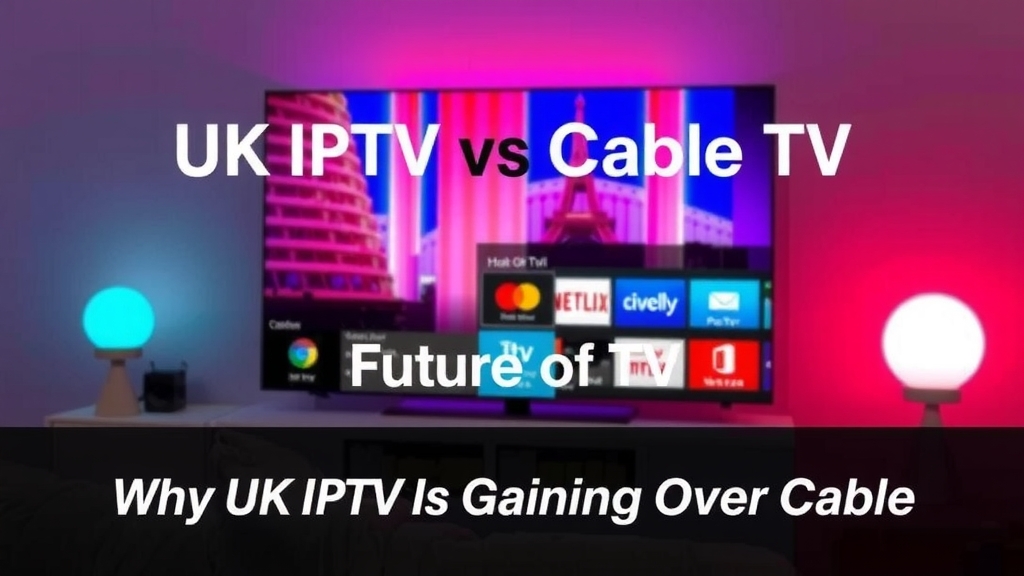
UK IPTV vs Cable TV Future of TV: Why UK IPTV Is Gaining Over Cable
Did you know that over 60% of UK households now use some form of streaming service, signaling a massive shift away from traditional cable? As a content strategist diving into TV trends, I've watched UK IPTV surge in popularity, and it's not just a fad—it's reshaping how we consume media. In this article, we'll explore why UK IPTV is gaining ground over cable TV, focusing on the future of TV without rehashing basic comparisons. We'll look at key drivers like technology, consumer behavior, and market shifts, setting the stage for a deeper understanding of this evolving landscape.
Technological Advancements Driving UK IPTV Growth
The rapid evolution of technology is at the heart of UK IPTV's rise. High-speed broadband and the rollout of 5G networks have transformed streaming from a buffering-prone chore into a seamless experience. I remember when watching online meant constant interruptions, but today, with average UK broadband speeds exceeding 50 Mbps, IPTV streams in HD without a hitch. This infrastructure leap is crucial for delivering content reliably, especially for live events where delays are unacceptable.
Smart TVs and devices like the Fire Stick and Roku have made IPTV adoption effortless. Gone are the days of complicated setups; now, a few clicks on a device like the Fire Stick can unlock a world of content. These gadgets integrate IPTV apps seamlessly, turning any screen into a personal entertainment hub. Advancements in Content Delivery Networks (CDNs) further boost reliability by distributing data across servers, reducing lag and improving stream quality. Compared to cable's rigid linear scheduling, IPTV's on-demand capabilities let viewers watch what they want, when they want—a game-changer in our busy lives.
Consumer Behavior Shifts Favoring UK IPTV
Consumer preferences are shifting dramatically, and UK IPTV is riding this wave. Cord-cutting is no longer a niche trend; it's a mainstream movement driven by a desire for flexibility. People are tired of long-term contracts and bloated cable packages. Instead, they're opting for no-contract IPTV options that adapt to their lifestyles. This shift is particularly pronounced among younger demographics, who grew up with streaming and expect instant, personalized access to content.
The demand for multi-device access is another key factor. I've seen viewers switch from watching on a TV to a tablet or phone without missing a beat, something cable struggles to match. Personalized content recommendations, powered by algorithms, make discovery easier, keeping audiences engaged longer. The cost-of-living crisis has accelerated this trend, as households seek ways to trim expenses. Cable subscriptions, often priced higher with hidden fees, are being replaced by more affordable IPTV subscription plans that offer better value. This behavioral shift isn't just about saving money—it's about reclaiming control over entertainment choices.
Market Trends and Future Projections for UK TV
The UK TV market is undergoing a seismic transformation, with IPTV growth outpacing cable decline. Recent data shows IPTV subscriptions climbing by double-digit percentages annually, while cable numbers steadily drop. Looking ahead to 2025 and beyond, I predict this gap will widen as technology improves and consumer habits solidify. Regulatory changes, such as Ofcom policies promoting competition and digital access, are also favoring IPTV by lowering barriers to entry and encouraging innovation.
Emerging trends like 4K and 8K streaming are set to redefine quality standards, with IPTV leading the charge due to its scalable infrastructure. Interactive features, such as live polls or integrated social media, are becoming more common, enhancing viewer engagement. For a deeper dive into how these trends compare, check out our pillar article on UK IPTV vs cable TV, which breaks down features and costs in detail. The future of TV is clearly digital, and IPTV is at the forefront, shaping how we'll consume media for years to come.
Benefits of UK IPTV That Are Outpacing Cable
UK IPTV offers compelling benefits that are hard for cable to match. Cost-effectiveness tops the list—with flexible subscription models, viewers can choose plans that fit their budgets, avoiding the hefty fees of cable bundles. For example, budget-friendly IPTV subscriptions under £10 per month provide access to diverse content without breaking the bank. This flexibility extends to global and niche channels, offering shows and movies that cable often overlooks.
Enhanced user experience is another standout advantage. Features like pause, rewind, and personalized recommendations make viewing more intuitive and enjoyable. I've found that these small touches add up to a much smoother experience compared to cable's linear approach. Environmental and infrastructure benefits also play a role; IPTV relies on existing internet networks, reducing the need for extensive physical cabling and lowering carbon footprints. As viewers become more eco-conscious, this aspect gains importance. Overall, IPTV's blend of affordability, accessibility, and innovation is why it's outpacing cable in the UK market.
Challenges and Considerations in the IPTV vs Cable Shift
Despite its advantages, UK IPTV faces challenges that viewers should consider. Legality and piracy risks are top concerns—while many services are legitimate, some operate in gray areas. It's crucial to choose reputable providers to avoid legal issues. Internet dependency is another hurdle; without stable broadband, IPTV can suffer from buffering problems. I've seen this firsthand, and addressing it often requires troubleshooting, as detailed in our guide on UK IPTV buffering issues.
Cable TV isn't standing still—it's adapting with hybrid models that combine traditional broadcasts with streaming elements. This competition pushes IPTV to innovate further. For those transitioning from cable, tips like testing services with a free trial can ease the shift. By weighing these factors, viewers can make informed choices and enjoy the best of what modern TV has to offer.
Conclusion
As we've seen, UK IPTV isn't just a trend—it's becoming the future of TV, driven by tech innovations and changing viewer habits. While cable TV still has its place, the momentum is clearly shifting. I encourage you to explore our pillar article, 'UK IPTV vs Cable TV: The Ultimate 2024 Comparison Guide', for a comprehensive look at features and costs. Share your thoughts in the comments or check out our reviews to find the best IPTV subscription for your needs!