UK IPTV vs Cable TV: Installation and Equipment Compared for 2024
Did you know that over 60% of UK households now use some form of internet-based TV service? As a content strategist who's reviewed countless UK IPTV subscriptions, I've seen firsthand how installation and equipment can make or break your viewing experience. In this article, we'll dive deep into the nuts and bolts of setting up IPTV versus traditional cable TV, helping you decide which fits your lifestyle without the hassle.
Installation Process: IPTV vs Cable TV
When it comes to installation, UK IPTV and cable TV couldn't be more different. IPTV setup is typically a DIY affair that you can complete in minutes. Start by downloading an IPTV app on your device, then enter your subscription details. Many providers offer a free trial to test the waters first. You'll need a stable internet connection—I recommend using Ethernet for reliability, though Wi-Fi works for most households. Common issues include buffering, which you can troubleshoot by checking your broadband speed or router placement.
Cable TV installation, on the other hand, involves scheduling an engineer visit. Expect setup times of 1-3 hours, depending on your home's layout. The engineer will install cables, set up the set-top box, and ensure everything works. While professional installation means less hassle for you, it often comes with fees and requires you to be home during the appointment. For a broader perspective, see our UK IPTV vs Cable TV: The Ultimate 2024 Comparison Guide.
Equipment Requirements and Costs
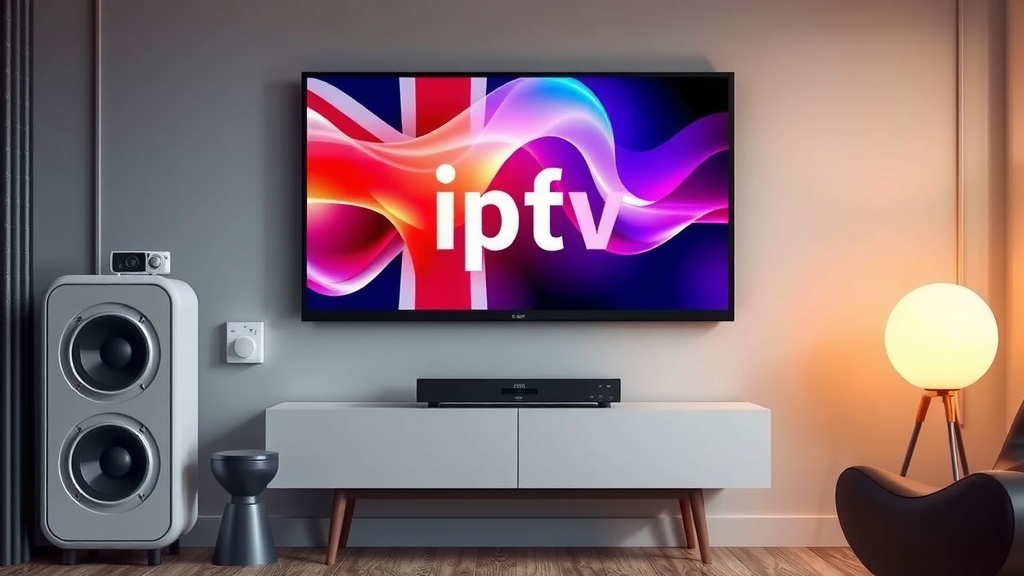
Equipment is where costs can add up quickly. For UK IPTV, you'll need a compatible device like a smart TV, streaming stick (e.g., Amazon Firestick), or computer. Most households already own these, making upfront costs minimal. However, investing in a quality router can improve streaming performance. Ongoing expenses are usually just your IPTV subscription fee, with no rental charges for hardware.
Cable TV equipment includes a set-top box, remote, and cables provided by the provider. You'll likely pay a monthly rental fee for the box—often £5-£15—plus installation fees that can range from £0 to £50, depending on promotions. Additional equipment like multi-room boxes or DVRs increases costs. Compatibility checks are crucial: ensure your TV has HDMI ports for cable, and for IPTV, verify device support with your provider. Budget-conscious users might prefer UK IPTV subscriptions under £10 per month to save on ongoing expenses.
Setup Ease and User-Friendliness
Setup ease often determines which service you'll stick with. IPTV setup is remarkably quick—many UK users report being up and running in under 30 minutes. It's user-friendly for all age groups, with intuitive apps and accessibility features like subtitles or voice control. The real advantage is flexibility: you can set up IPTV on multiple devices, including smartphones and tablets, for on-the-go viewing. This makes it ideal for busy households or those who value mobility.
Cable TV setup complexity varies. While professional help ensures a smooth process, it can involve delays if engineers are booked up. Once installed, cable interfaces are straightforward but less customizable than IPTV. For tech-savvy users, the DIY approach of IPTV is appealing, but cable might suit those who prefer a hands-off experience. If you're using a Firestick, check out our best UK IPTV for Firestick guide for tailored tips.
Technical Support and Maintenance
Technical support can be a deal-breaker. UK IPTV providers typically offer online resources, FAQs, and sometimes live chat or email support. Maintenance is minimal—mostly occasional app updates or router reboots. However, outages can occur due to internet issues, so having a reliable broadband connection is key. User reviews often praise IPTV for its low maintenance, though some note that support response times vary.
Cable TV maintenance involves dealing with outages from weather or infrastructure problems, which providers usually fix promptly. Equipment upgrades might require engineer visits, adding to long-term costs. Reliability-wise, cable is often seen as more stable, but it requires more ongoing tweaking, like box replacements. For insights on handling common issues, our article on UK IPTV buffering issues offers practical solutions.
Choosing between UK IPTV and cable TV often boils down to installation and equipment preferences. IPTV offers a flexible, DIY approach that's perfect for tech-savvy users, while cable TV provides a hands-off, professional setup. As you weigh your options, consider your budget, technical comfort, and viewing habits. Ready to make the switch? Check out our full 'UK IPTV vs Cable TV' comparison guide for more insights, and share your installation experiences in the comments below!